


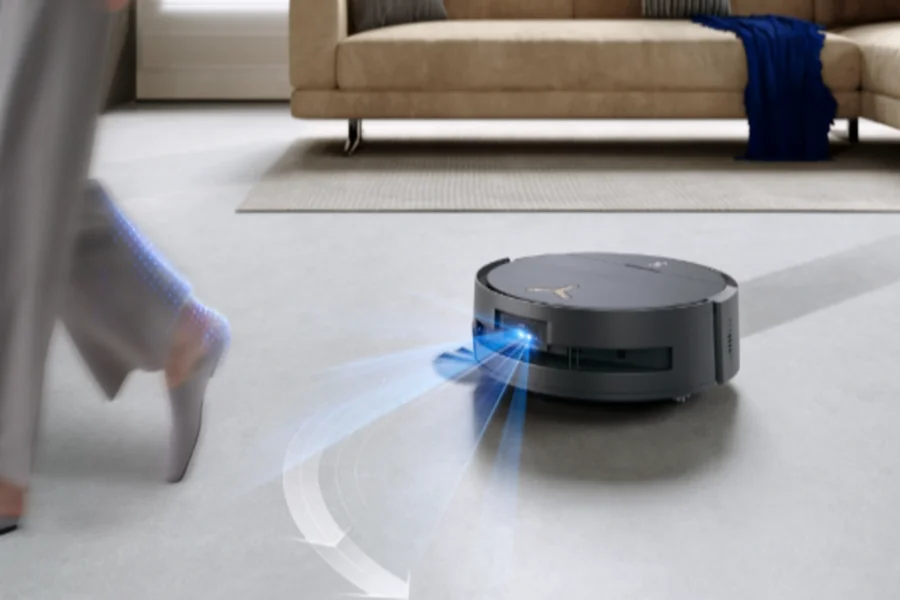
Maintaining a clean home has become much simpler with the growing popularity of robot vacuums. These intelligent cleaning machines are designed to handle everyday dust, dirt, and debris automatically, helping homeowners save both time and effort. Whether in small apartments or large family homes, robot vacuums are transforming household cleaning routines in a practical and efficient way.
Modern robot vacuums are far more advanced than earlier models. They now feature smart navigation, artificial intelligence, floor mapping, automatic charging, and even mopping functions. These improvements allow the devices to clean more effectively while adapting to different surfaces and home layouts. As smart home technology continues to evolve, robotic cleaning systems are becoming an essential part of modern living.
The Growing Popularity of Robot Vacuums
The demand for robot vacuums has increased rapidly in recent years because people value convenience more than ever before. Busy professionals, parents, pet owners, and elderly individuals all benefit from automated cleaning systems that reduce the need for manual work. Instead of spending valuable time vacuuming floors every day, users can schedule cleaning sessions and allow the device to operate independently.
One of the key reasons people prefer robot vacuums is consistency. Traditional cleaning often happens only once or twice each week, allowing dust and dirt to accumulate over time. Robotic cleaners can operate daily, helping maintain cleaner floors continuously. This is especially helpful in homes with children or pets where dirt and hair can gather quickly.
Another reason for their popularity is compatibility with smart home systems. Many robot vacuums can be controlled through mobile applications or voice assistants, allowing users to manage cleaning schedules remotely. This convenience makes them highly appealing for modern lifestyles.
Advanced Technology Behind Modern Robot Vacuums
Technology has significantly improved the performance of robot vacuums. Earlier robotic cleaners moved randomly around rooms, often missing areas or getting stuck on obstacles. Modern systems use advanced sensors, cameras, and laser mapping technology to navigate homes with greater precision.
Artificial intelligence now plays a major role in robotic cleaning. Some robot vacuums can identify furniture, walls, carpets, cables, and even small objects on the floor. This helps the machine avoid obstacles while cleaning efficiently. Advanced mapping systems also allow the device to remember room layouts and optimize cleaning routes.
Certain premium models can detect heavily soiled areas and increase suction power automatically. Others can recognize different floor types and adjust cleaning settings accordingly. These intelligent features improve cleaning performance while reducing unnecessary battery usage.
Another major improvement is obstacle avoidance. Modern robot vacuums are far less likely to become trapped under furniture or tangled in cords. This makes them more reliable and suitable for daily use in busy households.
Vacuuming and Mopping in One Device
One of the most important developments in robotic cleaning technology is the introduction of combined vacuuming and mopping systems. Many robot vacuums now include water tanks and mopping pads that allow them to clean hard floors while simultaneously removing dust and debris.
This dual functionality provides a more complete cleaning experience. Instead of using separate tools for vacuuming and mopping, homeowners can rely on one automated device to handle both tasks. This is especially useful in kitchens, dining rooms, and other areas where spills and stains are common.
Some advanced models also include self-cleaning mop systems and automatic water management features. These additions improve hygiene while reducing maintenance requirements for users. As a result, robot vacuums are becoming more versatile and capable of handling different household cleaning needs.
Benefits of Using Robot Vacuums
One of the biggest advantages of robot vacuums is the amount of time they save. Users can focus on work, family, or leisure activities while the device cleans floors automatically. Scheduled cleaning sessions ensure that the home remains tidy without requiring constant attention.
Robot vacuums are also beneficial for people with allergies. Frequent cleaning helps reduce dust, pollen, pet hair, and other airborne particles that may affect indoor air quality. Many models include advanced filtration systems that capture fine dust particles effectively.
Accessibility is another important benefit. Elderly individuals or people with physical limitations may find traditional vacuum cleaners difficult to use. Robot vacuums provide a practical alternative by automating most of the cleaning process.
Energy efficiency also contributes to their growing popularity. Compared to many traditional vacuum cleaners, robotic models often consume less electricity while still maintaining effective cleaning performance. Their compact size and intelligent operation make them efficient for regular household maintenance.
Important Features to Consider
Before purchasing robot vacuums, buyers should carefully consider several important features. Navigation technology is one of the most significant factors because it affects cleaning accuracy and efficiency. Models equipped with smart mapping and laser navigation generally perform better than basic systems.
Battery life is another key consideration. Larger homes may require longer cleaning times, making extended battery performance essential. Some robot vacuums can automatically return to their charging stations and resume cleaning once recharged.
Suction power is especially important for homes with carpets or pets. Strong suction helps remove deeply embedded dirt, pet hair, and dust more effectively. Anti-tangle brush systems can also improve performance by preventing hair buildup inside the vacuum.
Noise levels, maintenance requirements, and mobile app functionality should also be considered. Easy-to-use controls and smart features can significantly improve the overall user experience.
The Future of Robot Vacuums
The future of robot vacuums appears extremely promising as artificial intelligence and smart automation continue to advance. Manufacturers are developing increasingly intelligent systems that can clean homes with greater efficiency and accuracy.
Future robotic cleaners may become even more independent, with improved learning capabilities and predictive cleaning features. Enhanced object recognition, voice interaction, and advanced self-maintenance systems are expected to become common in upcoming models.
The integration of stronger mopping systems, automatic dust disposal, and self-cleaning technologies will likely continue improving convenience for users. As prices become more affordable, robot vacuums are expected to become standard household appliances in many homes around the world.
With their combination of convenience, efficiency, and intelligent technology, robot vacuums represent one of the most practical innovations in modern home cleaning. Their continued development will likely make household maintenance easier and more efficient for years to come.
